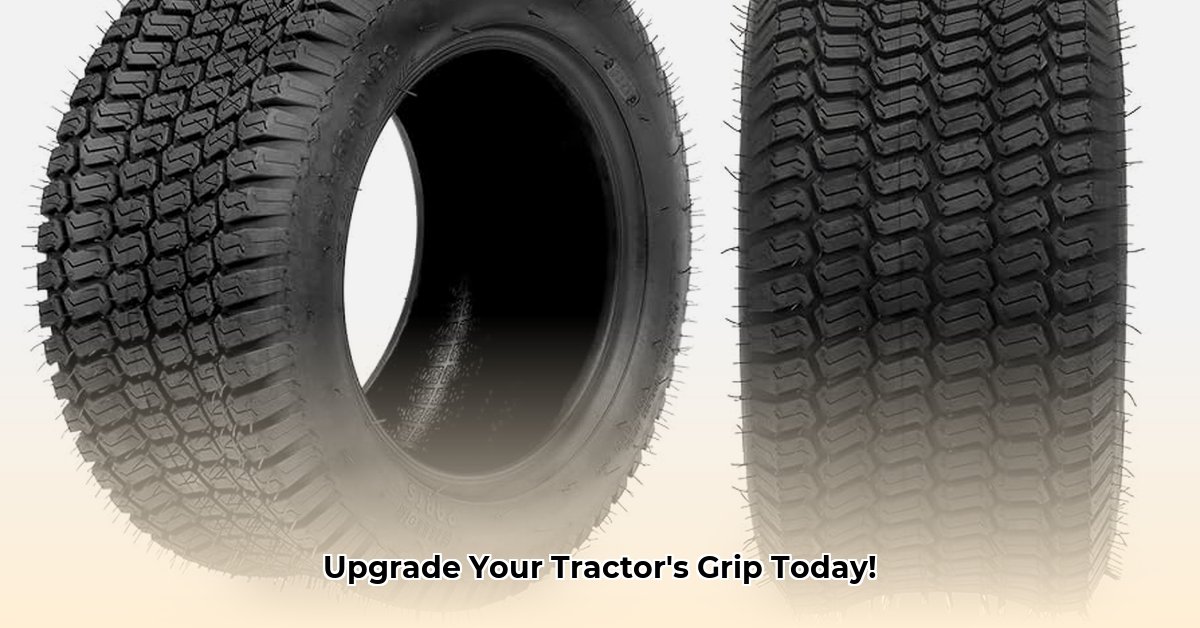
26x12 Tractor Tires: A Deep Dive into Selection and Maintenance
Choosing the right tractor tires is critical for farm efficiency and profitability. This comprehensive guide focuses on 26x12 tractor tires, a popular size for various agricultural applications. We'll cover tire specifications, selection criteria, maintenance best practices, and troubleshooting common issues, ensuring you maximize your investment and minimize downtime. Making informed decisions about your tractor tires translates directly to improved yields and reduced operational costs – isn't that what every farmer strives for? For more information on other sizes, check out this helpful resource on tractor tire sizes.
Decoding the 26x12: Understanding Tire Specifications
The seemingly simple "26x12" designation reveals crucial information about your tire's dimensions. The "26" approximately represents the tire's diameter in inches, while the "12" indicates its width. However, understanding the additional specifications is crucial for optimal performance. Don't just buy based on size alone; consider the following factors:
Ply Rating: This number indicates the tire's strength and load-carrying capacity. Higher ply ratings (e.g., 6, 8, 10) signify a more robust tire, suitable for heavier loads and challenging terrains. A lower ply rating might suffice for lighter tasks but offers less resilience against wear and tear. Choosing the right ply rating directly impacts your tractor's operational lifespan and performance.
Load Capacity: This specification indicates the maximum weight a tire can safely support. Overloading tires is dangerous and leads to blowouts, uneven wear, and premature failure. Always check your tire's sidewall and ensure it aligns with your tractor's weight and intended use. Overloading is a leading cause of costly tire damage. Would you risk a blowout in the middle of your harvest?
Tread Pattern: The tire tread's design profoundly influences traction. Deep, aggressive lugs provide superior grip in muddy and wet conditions. Shallower treads are better suited for paved surfaces or less demanding terrains. The optimal tread pattern depends on your soil type and typical working conditions. Which tread pattern maximizes your traction and minimizes soil compaction?
Choosing the Right 26x12 Tires: A Tailored Approach
Selecting the appropriate 26x12 tires hinges on several key factors:
Soil Type: Heavy clay soils demand deep-lugged tires for maximum traction. Lighter soils, like sandy loam, might benefit from shallower treads to minimize soil compaction. The right tire minimizes soil disturbance and maximizes your yield.
Crop Type: Delicate crops, like grapes, require tires that minimize soil compaction. Sturdier crops might allow for more aggressive tread patterns. Matching tire type to the crop requires careful consideration for your soil health.
Tractor Type: Consult your tractor's manual for recommended tire sizes and load ratings. Ignoring these recommendations could void your warranty or lead to equipment damage. Your tractor's manual is your best friend in tire selection.
Budget: While premium tires often offer superior durability and longevity, budget-friendly options might suit less demanding applications. Balance initial cost with long-term operational savings.
Typical Conditions: Farmers working frequently in wet, muddy conditions should prioritize deep-lugged tires. Those mainly operating on drier surfaces might opt for shallower treads for improved fuel efficiency and reduced wear.
Maintaining Optimal Tire Performance: A Preventative Maintenance Plan
Regular tire maintenance is key to prolonging their lifespan and preventing equipment damage. Follow these steps:
Correct Inflation: Consistently maintain the recommended tire pressure, found on the tire's sidewall. Underinflation leads to increased wear and reduces efficiency, while overinflation can damage the tire structure.
Regular Inspections: Conduct weekly visual inspections, checking for cuts, embedded objects, unusual wear patterns, bulges, or sidewall cracks. Addressing minor issues promptly can prevent major repairs. Did you know regular inspections can increase your tire's lifespan by up to 20%?
Proper Storage: During periods of inactivity, store your tires in a cool, dry place, away from direct sunlight and extreme temperatures. Extreme temperatures can degrade the tire's rubber compounds.
Tire Rotation: Regular rotation ensures even wear across all tires, maximizing their lifespan and reducing the risk of uneven wear.
Troubleshooting Common Tire Issues: Early Detection is Key
Even with diligent maintenance, certain problems can occur. Addressing them early prevents more significant damage:
Punctures: Repair minor punctures immediately. Larger punctures may require replacement. A well-stocked repair kit should be kept on hand.
Uneven Wear: This often signals incorrect inflation, wheel alignment issues, or overloading. Addressing the root cause is essential to prevent additional damage.
Premature Failure: This usually indicates overloading, underinflation, or unrepaired damage.
Hypothetical Tire Comparison (Illustrative Only)
(Note: This is for illustrative purposes. Always refer to the manufacturer's specifications for accurate information.)
| Brand | Ply Rating | Load Capacity (lbs) | Tread Pattern | Approximate Price Range ($) |
|---|---|---|---|---|
| Brand A | 6 | 1800 | Aggressive | $150-200 |
| Brand B | 4 | 1500 | Moderate | $100-150 |
| Brand C | 8 | 2200 | All-Terrain | $250-300 |
Remember to always consult with agricultural equipment suppliers and tire specialists for personalized advice tailored to your specific needs. Prioritize safety and adhere to manufacturer instructions.